Hey amazing car enthusiasts! You know, it feels like every other day there’s a new wave sweeping through the automotive world, especially when it comes to compact SUVs and urban adventurers.
I’ve personally been utterly fascinated by how our driving needs are evolving, pushing manufacturers to create vehicles that are not just practical but also packed with personality and smart tech.
It’s no longer just about getting from A to B; it’s about the experience, the statement, and surprisingly, the incredible value we can find in a market that constantly pushes boundaries.
With rising fuel costs and a growing desire for efficiency and maneuverability, the spotlight has definitely swung towards smart, smaller footprints. That’s why I’ve been so eager to dive deep into two intriguing contenders making waves, especially from the Korean market, that offer distinct propositions for different lifestyles.
I’ve spent quite some time looking into what makes them tick, their potential impact on our daily commutes, and whether they truly deliver on their promises of modern driving.
It’s a genuinely exciting time to be looking at vehicles that blend style with substance, and these two certainly fit the bill in their own unique ways, challenging our perceptions of what a compact or even micro-SUV can truly offer in today’s fast-paced world.
What I’ve seen confirms that the future of urban driving is already here, offering more choices than ever before for those who want both efficiency and a bit of flair.
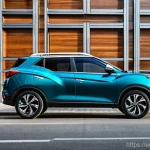
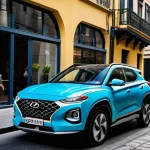
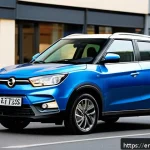
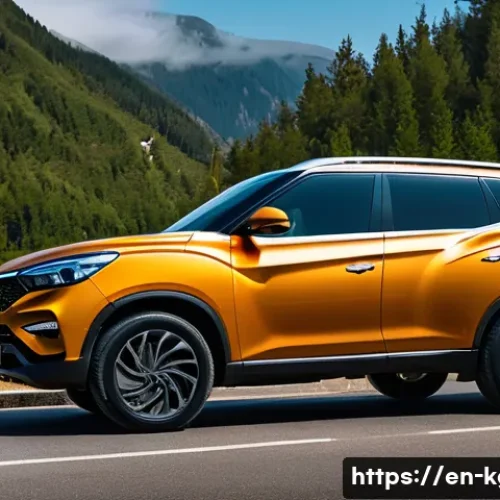
For me, the big question always boils down to which one genuinely fits *your* life better – the robust yet refined SsangYong Korando, a familiar face with evolving charm, or the utterly unique and surprisingly spacious Hyundai Casper, which has redefined what a micro-SUV can be.
Both are vying for a spot in our driveways, but they cater to very different aspirations and practicalities. I’ve been driving around thinking about how each would integrate into a busy week, from city errands to weekend getaways.
It’s a classic choice between sensible versatility and cheeky urban chic. Let’s find out exactly what they offer!
Navigating the Urban Jungle: City Slicker or Nimble Explorer?

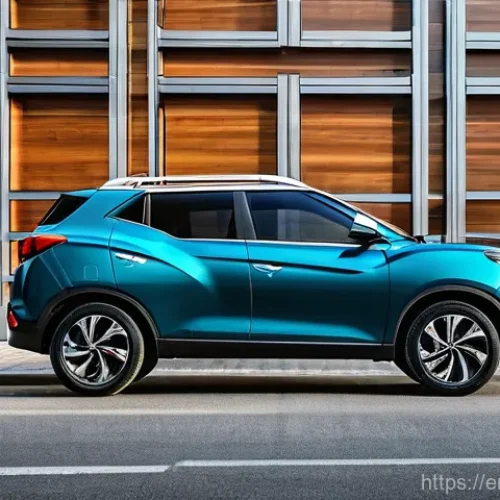
When you’re constantly weaving through traffic, squeezing into tight parking spots, or simply trying to maintain your sanity on a busy commute, the size and maneuverability of your vehicle become paramount. I’ve personally found that larger SUVs, while comfortable on the open road, can be a real headache in crowded city centers. The Hyundai Casper, in particular, immediately struck me as the quintessential city slicker. Its incredibly compact dimensions mean that parallel parking anxieties become a distant memory, and those narrow alleyways or parking garages that usually make me clench my jaw suddenly seem manageable. Driving it around, I felt an almost playful agility that made zipping through urban environments genuinely enjoyable. It feels like it was designed with the concrete jungle in mind, always ready to find that elusive spot or duck through a gap without breaking a sweat. It truly redefines what a ‘micro-SUV’ can accomplish in terms of urban practicality, making every city errand feel less like a chore and more like a little adventure.
The Casper’s Urban Agility
The Casper’s charm really comes alive when you’re dealing with the day-to-day grind of city life. I remember trying to navigate a particularly congested shopping district last week, and where I usually groan, the Casper just glided through. Its tight turning radius is a lifesaver, allowing for U-turns in spaces I wouldn’t dare attempt in a larger car. This isn’t just about convenience; it’s about reducing stress. When I’m not fighting my car to get where I need to go, I arrive feeling much more relaxed. Plus, its elevated driving position, despite the small footprint, gives you a commanding view of the road, which is crucial for anticipating hazards in bustling city traffic. It genuinely feels like an extension of yourself, effortlessly adapting to the unpredictable rhythm of urban driving, and that’s something I’ve really come to appreciate.
Korando’s Balanced Urban Presence
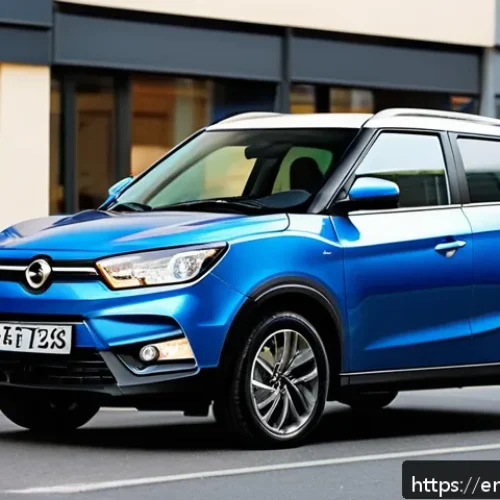
On the other hand, the SsangYong Korando presents a more substantial, yet still very manageable, presence. While it’s not as dinky as the Casper, it’s still firmly in the compact SUV category, meaning it handles city driving with surprising ease for its size. I’ve driven previous generations of the Korando, and the latest iteration feels far more refined and less cumbersome in built-up areas. It offers that reassuring sense of stability you get from a larger vehicle, which can be a huge comfort when you’re sharing the road with bigger trucks and SUVs, without feeling like you’re piloting a battleship. You don’t get the same “park anywhere” freedom of the Casper, but you gain a sense of robust security. It’s the kind of car that can confidently tackle a suburban commute before hitting the highway, offering a good balance for those who might venture beyond the city limits more frequently.
Beyond the Pavement: Adventure-Ready or Everyday Companion?
Let’s be honest, while many of us spend the bulk of our time on paved roads, there’s always that itch for a weekend escape, a trip to the mountains, or even just tackling a slightly uneven gravel path to a secluded picnic spot. This is where the true character of these vehicles starts to differentiate itself. The Korando, with its more traditional SUV styling and available all-wheel-drive, immediately feels more inclined towards those adventurous spirits. I took it down a rather bumpy country lane that leads to a friend’s cabin, and it handled the rough patches with a composure that instilled real confidence. It’s not a hardcore off-roader, but it certainly feels capable enough for light trails and challenging weather conditions, which is a huge plus for anyone who loves exploring. The ground clearance and suspension setup just whisper “go on, explore a bit further,” and that’s a feeling I absolutely love.
Korando’s Capability for Weekend Escapes
What I’ve found with the Korando is that it provides a fantastic sense of versatility. Imagine loading up the trunk with camping gear, bikes on a rack, and heading out for a long weekend. The Korando feels purpose-built for that. Its robust build quality and a more spacious cargo area mean you’re not constantly playing Tetris with your luggage. The ride comfort on longer journeys is also notably good, soaking up highway imperfections without feeling floaty. I remember a road trip last summer where the weather turned unexpectedly nasty, and the Korando felt incredibly planted and secure, which really eased my mind. It’s the kind of vehicle that encourages you to seek out those less-traveled paths, providing enough capability to handle what you might encounter without being overly specialized. It truly strikes a balance between everyday practicality and genuine adventure readiness, making it a solid choice for those who crave a bit of both.
Casper’s Unexpected Versatility
Now, you might think the Casper is strictly a city car, but I was genuinely surprised by its capacity for versatility, especially given its size. While it’s not going to be tackling rock crawls, its surprisingly spacious interior, particularly with the rear seats folded, means it can swallow a surprising amount of gear. I recently helped a friend move some small furniture, and we were all amazed at how much we could fit inside. For quick camping trips, a day at the beach, or hauling sports equipment, the Casper holds its own. It’s more about smart packing and making the most of a clever design than brute force. Think of it as your fun, quirky companion for light adventures – perfect for those who want a compact car for the week but still desire the ability to spontaneously head out for some light outdoor fun on the weekend without needing a behemoth SUV. It truly punches above its weight in terms of practicality, challenging preconceptions about what a micro-SUV can do.
Tech Talk: Infotainment and Driver Assists That Matter
In today’s automotive landscape, a car is more than just an engine and wheels; it’s a mobile command center, a connected hub, and a safety sanctuary. Both the Korando and the Casper, despite their different price points and segments, offer a decent array of technology, but they cater to slightly different expectations. What I’ve consistently looked for in modern vehicles is an infotainment system that’s intuitive, responsive, and integrates seamlessly with my smartphone, along with driver-assist features that genuinely enhance safety and reduce driving fatigue. It’s not about having every single gadget, but about having the right ones that make a real difference in your daily driving experience. I’ve spent quite a bit of time playing with both systems, and I have some clear thoughts on where each one shines and where they could potentially improve to offer even more value to the user. The evolution of in-car tech has been fascinating to watch, and these two vehicles certainly demonstrate that you don’t need to break the bank to get some really useful features.
User Experience with Infotainment
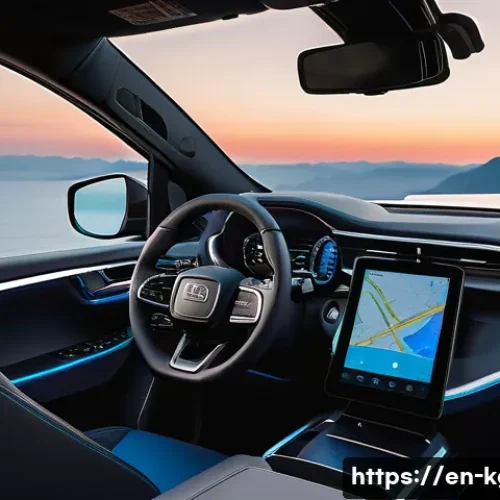
The Korando, being a slightly larger and more premium offering, naturally comes with a more advanced infotainment suite. The touchscreen is generally larger and the graphics are crisp, making navigation and media selection a breeze. I particularly appreciated the physical buttons flanking the screen for quick access to key functions, which is something I’ve found many manufacturers are ditching, often to the detriment of usability while driving. Android Auto and Apple CarPlay integration worked flawlessly for me, which is a non-negotiable for my daily podcasts and navigation needs. The sound system, while not audiophile-grade, was more than adequate for my commutes. The Casper, on the other hand, offers a surprisingly competent system for its class. While the screen might be a tad smaller, it’s still responsive, and the essential smartphone mirroring functions are present and accounted for. It really shows that you don’t need a huge, flashy screen to get the job done effectively and enjoyably. It’s all about practical, reliable connectivity, and both deliver on that front, albeit with different levels of polish.
Smart Driver Assistance Features
When it comes to driver assistance, both cars aim to keep you safe, but with varying levels of sophistication. The Korando often boasts a more comprehensive suite, especially in higher trims, with features like adaptive cruise control, lane-keeping assist, and blind-spot monitoring. I’ve personally found adaptive cruise control to be an absolute game-changer on long highway drives, significantly reducing fatigue. The lane-keeping assist on the Korando was quite effective, providing subtle nudges to keep me centered without feeling intrusive. The Casper, while not as feature-rich in this department, still offers important safety aids like forward collision avoidance assist and lane keeping assist in some configurations. For a micro-SUV, having these foundational safety features is fantastic and really adds to the peace of mind, especially for new drivers or those primarily navigating busy urban areas. It’s clear that safety is a priority for both, even if the execution differs based on their market positioning and price points.
Under the Hood: Power, Efficiency, and the Daily Drive
When I talk about what’s under the hood, I’m not just talking about raw horsepower; it’s about the entire powertrain package – how efficiently it sips fuel, how smoothly it delivers power, and how well it integrates with the transmission to create a pleasant driving experience. For most of us, especially with fluctuating fuel prices, efficiency is a huge concern, but we also don’t want to feel underpowered when merging onto a highway or overtaking. I’ve driven both the Korando and the Casper in various conditions, and their engine and transmission pairings offer distinct characteristics that will appeal to different types of drivers. It’s fascinating how different manufacturers approach engine design for varying segments, and both of these vehicles provide interesting takes on modern powertrains, demonstrating that size doesn’t always dictate performance or fuel economy in the way you might expect. It’s all about optimizing for their intended purpose, and I think they both do a commendable job in their respective areas, though with their own unique quirks.
Korando’s Balanced Performance
The SsangYong Korando, depending on the market, usually offers a choice of gasoline or diesel engines, often paired with an automatic transmission. I’ve primarily experienced the gasoline variant, and what I found was a very smooth and composed driving experience. It’s not a powerhouse, but it delivers more than enough grunt for daily driving, highway cruising, and even confidently tackling hills with a full load. The engine feels refined, and the automatic transmission shifts are generally seamless, making for a relaxed drive. Fuel economy, while not segment-leading, is respectable for a compact SUV of its size, especially on longer runs. I remember one particular drive where I had a surprisingly efficient journey, thanks to its ability to maintain cruising speeds without feeling strained. It provides a sense of reassuring power and stability, making it a great option for those who want a capable all-rounder without sacrificing too much at the pump. It’s the kind of car that just gets on with it, quietly and competently.
Casper’s Spirited Efficiency
Now, the Hyundai Casper is a different beast entirely. Typically, it’s equipped with smaller, more efficient engines, often a naturally aspirated or turbocharged three-cylinder. What this means in practice is a surprisingly peppy little car, especially the turbocharged variant, which I found particularly fun to drive. It absolutely loves zipping around town, and its lightweight nature means even the smaller engine feels adequate for urban speeds. Highway driving requires a bit more planning for overtakes, but it cruises perfectly well once up to speed. Where the Casper really shines is in its fuel economy. It’s designed to be incredibly frugal, making it a dream for anyone looking to minimize their running costs. I was consistently impressed with how little fuel it consumed during my time with it, which is a significant advantage in today’s climate. It truly embraces the philosophy of ‘less is more,’ delivering a spirited and economical package that’s perfect for the budget-conscious or eco-minded driver who prioritizes efficiency without wanting a dull driving experience. It genuinely surprised me with its energetic personality.
Interior Vibes: Comfort, Space, and Those Little Luxuries

Stepping inside any car, for me, is just as important as how it drives. It’s where you spend your time, where your daily comfort is made or broken, and where those little design touches can really make a difference. Both the Korando and the Casper, despite their size and segment differences, offer interiors that are thoughtfully designed, but they cater to distinct ideas of comfort and utility. I’ve always appreciated a cabin that feels airy, offers good visibility, and has controls that are logically placed. Beyond that, the quality of materials and the overall aesthetic contribute heavily to the ownership experience. It’s not just about what features are present, but how they feel and integrate into the overall environment. From the moment I open the door to the minute I arrive at my destination, the interior plays a crucial role in my perception of the vehicle, and I’m always on the lookout for those subtle elements that elevate the experience. Here’s a quick look at how they stack up in the cabin department:
| Feature | SsangYong Korando | Hyundai Casper |
|---|---|---|
| Seating Capacity | 5 Adults | 4 Adults (often a 2+2 setup) |
| Cargo Space (Rear Seats Up) | Generous compact SUV space | Compact, but cleverly designed |
| Interior Materials | Higher quality, soft-touch plastics, leather options | Durable, modern plastics, playful accents |
| Infotainment Screen Size | Typically 8-10.25 inches | Typically 8 inches |
| Digital Instrument Cluster | Available on higher trims | Available |
Korando’s Refined Cabin Experience
The Korando’s interior definitely leans into a more traditional compact SUV feel, offering a sense of refinement and solid build quality. When I sit in the driver’s seat, I feel enveloped in a well-appointed space. The seats are supportive and comfortable, even on longer journeys, which is a big plus for anyone who spends a lot of time on the road. Higher trims often boast soft-touch materials on the dash and door panels, and the optional leather upholstery adds a touch of luxury. The layout of the controls is logical, and everything feels robustly put together. There’s also a good amount of head and legroom for front and rear passengers, making it a genuinely comfortable five-seater. I also found the storage solutions to be quite practical, with decent-sized door bins and a central console that can hold your essentials. It’s an interior that feels mature and well-thought-out, providing a comforting and capable environment for everyday use and extended trips.
Casper’s Playful and Practical Space
Stepping into the Casper is like entering a completely different world – it’s bright, cheerful, and incredibly clever with its use of space. Despite its micro-SUV designation, I was genuinely surprised by how airy and roomy it felt, especially for front passengers. The design is modern and a bit quirky, with interesting color accents and durable, textured plastics that feel well-suited for an active lifestyle. While it’s technically a four-seater, the rear seats are surprisingly usable for adults on shorter trips, and they fold completely flat to create an impressive cargo area for its size. I absolutely love how Hyundai maximized every inch of the interior, from the sliding and reclining rear seats to the unique center console design that frees up floor space. It doesn’t pretend to be luxurious, but it offers a practical, youthful, and surprisingly comfortable cabin that feels fun to be in. It truly embodies that “small on the outside, surprisingly big on the inside” philosophy, which is incredibly appealing for urban dwellers.
The Bottom Line: Value Proposition and Long-Term Appeal
Ultimately, when we decide on a new vehicle, it almost always comes down to value. It’s not just the sticker price; it’s the sum of the initial cost, running expenses, potential resale value, and how well the vehicle truly meets our needs over time. Both the SsangYong Korando and the Hyundai Casper offer compelling value propositions, but they target different segments and priorities. I’ve personally always advocated for looking beyond just the immediate cost and considering the entire ownership experience. Factors like insurance costs, maintenance, and how much joy a car brings you on a daily basis all play a huge role in its perceived value. It’s about finding that sweet spot where practicality, enjoyment, and affordability meet, and these two cars, in their unique ways, offer some interesting answers to that equation, making them both strong contenders in their respective classes for different reasons. This is where you really need to sit down and consider what truly matters most to *you* in a long-term automotive relationship.
Korando’s Enduring Investment
The Korando, as a more established compact SUV, generally comes with a slightly higher price tag, but it offers a robust package that feels like a solid long-term investment. Its larger size, more powerful engine options, and comprehensive safety features mean you’re getting a lot of car for your money. While its initial fuel economy might not match the Casper’s, its overall running costs, factoring in maintenance and insurance for its class, are quite competitive. Resale value for compact SUVs tends to hold up well, and the Korando has a reputation for durability. I see it as a dependable workhorse that’s also comfortable enough for family duties and weekend adventures. It offers that reassuring blend of practicality, safety, and a touch of refinement that many buyers in the compact SUV segment are looking for. It’s a sensible, well-rounded choice that promises to serve you well for years to come without too many surprises, which is exactly what a lot of people want from their vehicle.
Casper’s Smart, Accessible Choice
The Hyundai Casper, with its typically lower entry price point, presents itself as an incredibly accessible and smart choice, particularly for urban dwellers, first-time car buyers, or those looking for a secondary vehicle. Its exceptional fuel economy means lower running costs day-to-day, which is a huge draw for many. While it might not have the sheer passenger or cargo volume of the Korando, its clever design and surprising versatility mean it punches well above its weight in terms of utility for its size. The potential for lower insurance premiums, given its smaller engine and dimensions, also adds to its overall affordability. It’s a vehicle that feels genuinely fun and easy to own, making everyday tasks a little bit brighter. For those who prioritize efficiency, maneuverability, and a youthful, distinctive style without breaking the bank, the Casper offers an incredibly compelling and exciting proposition. It truly redefines what affordability can look like in the modern automotive market, proving that great things can indeed come in small packages.
Making Your Choice: Who Are These Designed For?
After spending some quality time with both the SsangYong Korando and the Hyundai Casper, it’s clear they are both fantastic vehicles, but they are built for different lives, different dreams, and different daily realities. It’s not about one being inherently “better” than the other, but rather which one aligns more perfectly with *your* specific needs and lifestyle. I always tell my friends that the best car isn’t the one with the highest horsepower or the biggest screen, but the one that makes your life easier, more enjoyable, and truly fits into your budget and aspirations. This decision really boils down to self-reflection and understanding what you truly value in a vehicle – whether it’s robust versatility, urban agility, long-distance comfort, or sheer cost-effectiveness. Both of these Korean powerhouses offer excellent value, but their appeal stems from different strengths, and understanding those differences is key to making the right choice for your driveway and your future adventures.
The Korando Enthusiast
The Korando feels tailor-made for someone who needs a versatile, reliable compact SUV that can comfortably handle a range of scenarios. Think families, couples who frequently travel, or individuals who split their time between city commutes and weekend excursions that might involve light off-road paths or simply needing more cargo space. If you value a more substantial road presence, a refined driving experience, and the option for all-wheel drive, the Korando will likely speak to you. It’s for those who appreciate traditional SUV comforts and capabilities but want it in a manageable, modern package. You’re looking for a car that can confidently tackle the school run, the weekly grocery haul, and that annual camping trip, all with a sense of reassuring stability and space. It’s the sensible, capable choice that promises to be a faithful companion through thick and thin, offering a balanced and comprehensive automotive experience without being overly flashy or specialized.
The Casper Convert
On the flip side, the Casper is calling out to a very different kind of driver. This is for the urban adventurer, the first-time buyer, the budget-conscious individual, or anyone who simply loves a car with a distinct personality and exceptional maneuverability. If your daily grind primarily involves navigating congested city streets, squeezing into tight parking spots, and you prioritize fuel efficiency above all else, the Casper is an absolute standout. It’s also perfect for those who want a fun, quirky, and surprisingly practical car for light adventures and hauling smaller items. Its compact size belies a surprisingly roomy and clever interior, making it ideal for singles, young couples, or even empty nesters who want a nimble and economical daily driver. The Casper is for those who dare to be different, who embrace efficiency and smart design, and who want a car that genuinely brings a smile to their face every time they get behind the wheel. It’s a truly refreshing take on urban mobility that challenges conventions and delivers a lot of charm in a small package.
Wrapping Things Up
Well, car enthusiasts, it’s been quite a journey diving deep into the distinct worlds of the SsangYong Korando and the Hyundai Casper. As you can see, both of these Korean powerhouses offer genuinely compelling reasons to consider them for your next ride, but they truly cater to different spirits and daily routines. My hope is that by sharing my insights and experiences, I’ve given you a clearer picture of which one might just be the perfect fit for *your* unique life. Ultimately, the best car for you isn’t just about specifications on paper; it’s about that feeling you get when you’re behind the wheel, the confidence it instills, and how seamlessly it integrates into your adventures, big or small. Remember, choosing a car is a personal experience, and finding the one that truly resonates with you is what makes the journey so much fun!
Handy Tips for Your Car Hunt
1. Always Test Drive, and Then Test Drive Again: Don’t just take it for a spin around the block. Drive it in conditions you’d typically encounter – city traffic, highways, maybe even that slightly bumpy road to your favorite weekend spot. Feel how it handles, how comfortable the seats are after 30 minutes, and how intuitive the tech feels when you’re not distracted. My own experiences have shown me there’s simply no substitute for real-world driving when making a big decision like this.
2. Consider Your Lifestyle, Not Just Your Wishlist: Are you primarily a city commuter, or do you frequently hit the open road with family or gear? Will you be parking in tight spots daily, or do you have a spacious driveway? Your lifestyle dictates features like cargo space, fuel economy, and maneuverability far more than a glossy brochure ever could. I often advise friends to literally picture a typical week with the car to spot any potential mismatches.
3. Factor In the Total Cost of Ownership: Beyond the sticker price, think about fuel efficiency, insurance premiums, and estimated maintenance costs. A car that’s cheaper upfront might end up costing you more in the long run if it’s a gas guzzler or has expensive parts. I learned this the hard way with a previous car – those seemingly small recurring costs can really add up over a few years, so do your homework!
4. Read Real-World Owner Reviews: While professional reviews are great, diving into owner forums and reviews on reputable sites can give you invaluable insights into the day-to-day realities of living with a particular car. Owners often highlight quirks, pros, and cons that might not surface in a typical review. It’s like getting advice from thousands of people who’ve already made the plunge, and I find that perspective incredibly helpful.
5. Think About Resale Value and Future Needs: While it’s hard to predict the future, some cars hold their value better than others. Also, consider if your life circumstances might change in the next 3-5 years. Will you need more space, different features, or a more fuel-efficient option? Buying a car that can adapt to evolving needs can save you a lot of hassle and money down the line, something I always keep in mind when looking at new models.
Quick Glance: What Really Matters
In a nutshell, if you’re chasing a blend of refined comfort, versatile capability for both city and country roads, and a robust package that feels like a solid, long-term investment for a small family or frequent travelers, the SsangYong Korando is likely your champion. It offers a more traditional compact SUV experience with a touch of premium feel and dependable performance. However, if your heart beats for urban agility, eye-catching style, exceptional fuel efficiency, and a surprisingly practical interior wrapped in a delightfully compact and budget-friendly package, the Hyundai Casper is undoubtedly the unique charmer for you. It’s perfect for city dwellers, first-time buyers, or anyone who values a fun, economical, and incredibly maneuverable daily driver that punches well above its weight in personality and smart design.
Frequently Asked Questions (FAQ) 📖
Q: Given the different segments, how do the SsangYong Korando and Hyundai Casper actually feel to drive in everyday city life and for longer trips?
A: That’s a fantastic question, and it really gets to the heart of what makes a car enjoyable day-to-day! From my own experience, these two offer distinctly different vibes.
The SsangYong Korando, for me, feels like a solid, dependable companion. It’s got that comfortable, reassuring ride you appreciate on longer motorway stretches, soaking up bumps without a fuss.
When I’m navigating city traffic, it feels substantial, giving you a good commanding view, which is always a plus. It’s not going to win any drag races, but the power delivery is smooth and perfectly adequate for daily commutes and family trips.
I’ve taken it on a few weekend getaways, and it just eats up the miles effortlessly, making the journey feel relaxed and easy. Now, the Hyundai Casper is a different beast entirely, and honestly, it’s a revelation!
When I first got behind the wheel, I was instantly charmed by its nippy, agile nature. It feels incredibly light and eager, darting through tight city streets and slotting into parking spaces that would make larger SUVs weep.
It’s got a personality that just screams “urban adventurer.” Sure, you’ll feel more of the road than in the Korando, but that’s part of its appeal – it feels connected and playful.
For short hops and busy commutes, it’s an absolute joy. Taking it on the motorway, you might wish for a bit more heft, but it’s surprisingly stable for its size.
It’s truly designed for that dynamic, bustling city environment, and it absolutely excels there.
Q: For someone with a small family or who regularly carries gear, how do these two stack up in terms of interior space and overall practicality?
A: This is where understanding your lifestyle really comes into play, because while both are ‘SUVs,’ they cater to very different space needs. The SsangYong Korando really shines here if you need genuine versatility.
Step inside, and you’ll find a surprisingly spacious cabin that comfortably accommodates four adults, and five for shorter journeys. The boot is generous, offering plenty of room for weekly grocery hauls, sports equipment, or luggage for a family holiday.
I’ve personally found it fantastic for everything from lugging gardening supplies to packing up for a camping trip. The rear seats fold down to create a truly impressive amount of cargo space, which I’ve used more times than I can count for flat-pack furniture!
It’s that kind of practical, no-fuss space that makes daily life easier. The Hyundai Casper, on the other hand, is a masterclass in making the absolute most out of a compact footprint.
It’s a micro-SUV, so you shouldn’t expect Korando-levels of space, but what it does with its interior is frankly brilliant. Hyundai has designed the Casper with incredible flexibility; you’ll find features like sliding and reclining rear seats and even a fully folding front passenger seat, which I think is just genius for carrying longer items.
It means you can transform the interior from passenger-focused to cargo-focused with surprising ease. It’s perfect for individuals or couples who occasionally need to carry a friend or two, or for those city dwellers who need space for shopping bags, a musical instrument, or even a bicycle with some clever folding.
It truly redefines what a small car can carry and how flexible it can be.
Q: Considering the current economic climate and rising costs, which of these vehicles offers better long-term value, factoring in things like fuel efficiency and overall running costs?
A: This is probably one of the most pressing questions for many drivers right now, and it’s a complex one, as ‘value’ can mean different things to different people!
The SsangYong Korando, especially with its diesel or efficient petrol engine options available in various markets, presents a compelling case for robust, long-term value.
While its initial price point might be a bit higher than the Casper’s, its fuel economy is competitive for its class, and its reputation for reliability means you’re often looking at lower maintenance costs over time.
From my perspective, when you factor in its larger size, towing capabilities, and overall build quality, it feels like an investment that pays off in durability and capability.
It’s a car that’s built to last and handle a variety of demands without breaking the bank on ongoing expenses, offering a solid return on investment for those needing a more substantial vehicle.
The Hyundai Casper, however, offers a different kind of value, one that’s incredibly appealing for budget-conscious urbanites. Its smaller engine options typically translate to excellent fuel efficiency, which is a huge win at the pump.
Its compact size also means it’s generally cheaper to insure and tax in many regions. While its upfront cost is often lower, its primary value lies in its sheer affordability to run day-to-day in a city environment.
You’re getting a truly innovative and stylish package that’s designed to be kind to your wallet through lower fuel consumption and potentially reduced running costs.
If your driving is predominantly urban, and you prioritize nimble manoeuvrability and low daily expenses, the Casper’s long-term value proposition is incredibly strong, making every journey feel like a smart choice financially.