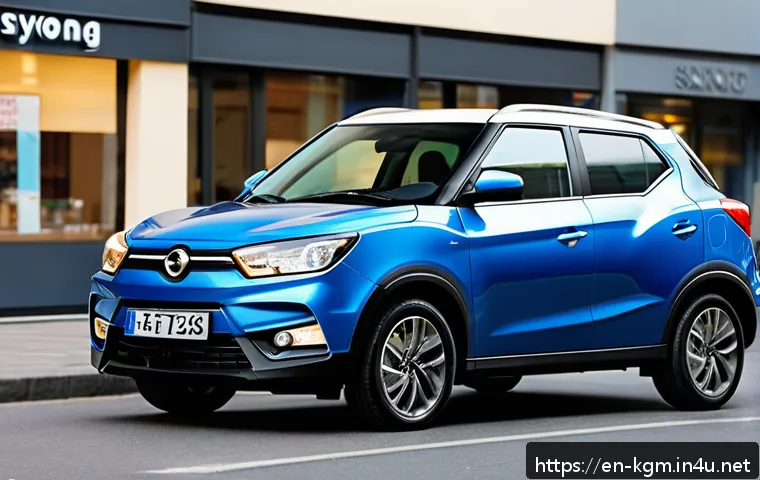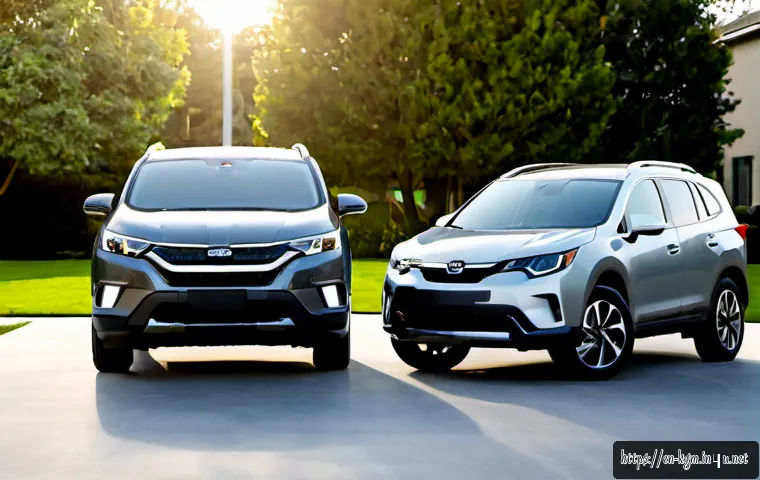
Choose the KGM Korando if cabin space and purchase value are your main priorities. Choose the Hyundai Kona if you want broader powertrain choice, newer-tech options, or an urban-friendly ownership setup.
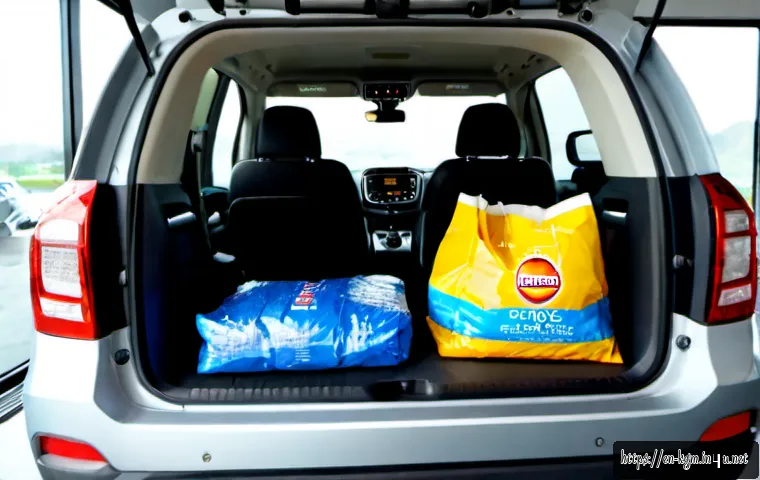
The right answer depends more on the exact model year, trim, mileage, and fuel type than on the badge alone. For UK buyers, the headline vehicle price is only the starting point: PCP or HP finance, insurance, servicing, tyres, fuel or charging, and resale prospects all matter.
A used Korando may look attractive beside a Kona, but it must be compared like for like. Before requesting dealer quotes, match the specification and check the full monthly and long-term cost.
At a Glance
- Korando: a sensible shortlist choice when cabin room and purchase value matter most.
- Kona: worth considering when petrol, hybrid, or electric powertrain choice and urban efficiency are higher priorities.
- Compare like for like: model year, trim, transmission, mileage, condition, and finance terms can change the result.
| Decision point | KGM Korando | Hyundai Kona |
|---|---|---|
| Purchase budget | Often considered by buyers focused on value and practical space; exact new and used pricing must be checked. | Pricing varies widely by generation, trim, and powertrain; compare equivalent cars rather than badges. |
| Powertrain choice | Confirm the engine and transmission fitted to the exact vehicle. | Has been offered with petrol, hybrid, and electric options depending on model year and market. |
| Practicality focus | Best investigated for cabin room, rear-seat use, and everyday family practicality. | Check rear space and boot layout carefully, especially across different generations. |
| Running-cost questions | Compare insurance, servicing, tyres, fuel use, warranty, and repair history. | Compare those same items, plus home and public charging costs where relevant. |
| Best-fit buyer | Buyer who puts space and purchase value ahead of having the widest powertrain range. | Buyer who values powertrain flexibility, technology, or city-focused efficiency. |
Quick Verdict: Which SUV Fits Your Priorities?
Choose the Korando when cabin space and purchase value lead the decision
The KGM Korando deserves a close look if you want a compact SUV that feels useful for regular passengers, shopping, luggage, and mixed family duties. Its strongest appeal in this comparison is usually the combination of practicality and value focus, rather than chasing a particular fuel type or technology feature.
That does not mean every Korando is the better deal. A low asking price can be offset by higher insurance, missing service records, worn tyres, a short warranty balance, or unfavourable car finance terms. Ask for a full breakdown before focusing on the monthly payment alone.
Choose the Kona when powertrain choice, technology, or urban efficiency matters more
The Hyundai Kona is the more flexible option for buyers who want to choose between petrol, hybrid, or electric ownership, subject to the model year and UK availability. That matters if your daily pattern includes short urban journeys, access to charging, or a clear preference for a particular type of drivetrain.
Do not assume that every Kona has the same equipment or ownership profile. Generations and trims can differ substantially. Check the fitted driver-assistance systems, infotainment, charging capability where applicable, warranty terms, and the exact specification listed by the retailer.
Why exact model year and trim level change the answer
A Korando versus Kona comparison only works when the cars are genuinely comparable. Match registration year, mileage, transmission, fuel type, trim, condition, and service history. A newer Kona with a different powertrain is not automatically a direct alternative to an older used Korando, even if their advertised prices appear close.
Also confirm whether a vehicle was sold under SsangYong branding or KGM branding. KGM is the name now used for vehicles previously sold under SsangYong branding in some markets, but the badge should not replace careful checks of the individual car.
Side-by-Side Comparison: Price, Space, Equipment, and Ownership Value
New versus used purchase budget and depreciation considerations
Start with the total amount you are prepared to spend, not just the deposit. For a new or nearly new SUV, ask for the on-the-road price and a written finance illustration. For a used SUV, ask what preparation, warranty cover, servicing, and vehicle-history checks are included in the advertised price.
Depreciation is not a fixed number. It can be affected by mileage, condition, demand, trim, fuel type, and future buyer preference. If part-exchange value matters, obtain more than one valuation and make sure each estimate uses the same mileage and condition description.
Cabin room, boot use, rear-seat needs, and parking practicality
Bring your real-world needs to the test drive. Sit behind the driving position you would normally use. Check rear-door opening space, child-seat access if relevant, and whether the boot works for your usual bags, pushchair, mobility equipment, or weekend luggage.
Parking ease is not just about vehicle size. Check visibility, mirrors, reversing camera coverage, parking sensors, steering weight, and the confidence you feel in a tight car park. A feature listed on one trim may not be present on another.
Standard equipment, driver assistance, infotainment, and warranty questions
Do not rely on stock photographs. Ask the retailer to confirm the exact equipment fitted to the vehicle. Focus on the items you will use daily: phone connectivity, navigation if needed, parking aids, heating and ventilation controls, and driver-assistance features.
Warranty coverage should be checked in writing. Ask whether any manufacturer warranty remains, whether it transfers to the next owner, what is excluded, and whether the retailer is offering separate used-car warranty cover. The answer can affect the value of two otherwise similar cars.
Running Costs: Finance, Insurance, Fuel, Charging, and Maintenance
Comparing PCP, HP, cash purchase, and used-car loan quotes
A low monthly payment does not automatically mean lower cost. With PCP finance, check the deposit, APR, mileage allowance, agreement length, optional final payment, and any condition requirements. With HP finance, compare the deposit, APR, term, total amount payable, and whether the monthly commitment suits your budget.
A cash purchase avoids finance interest, but it still needs to leave enough room for insurance, servicing, tyres, repairs, and unexpected costs. If considering a used-car loan, compare the full repayment amount rather than choosing purely by the monthly figure.
Petrol, hybrid, and electric ownership-cost considerations
A petrol, hybrid, or electric Kona may suit different routines. A hybrid or electric option may appeal to drivers who prioritise efficiency or have suitable charging arrangements, while petrol may be simpler for buyers without regular charging access. The best choice depends on actual journeys, not broad assumptions.
For any electric vehicle, verify the exact range, charging specification, battery warranty terms, and charging costs that apply to your circumstances. For petrol and hybrid vehicles, check the official fuel-economy information for the precise model, then consider how your normal route and driving style may differ.
Insurance, tyres, servicing plans, and repair-risk checks
Insurance premiums can vary by postcode, driver profile, vehicle specification, annual mileage, and insurer. Obtain insurance quotes for the exact registration number or precise model before paying a holding deposit. This is especially useful when one car has larger wheels, a higher trim, or a different powertrain.
Ask about servicing plans, upcoming maintenance, tyre condition, brake wear, and any warning lights. On a used vehicle, full service history, recall status, MOT history, outstanding finance checks, and accident-damage checks are basic safeguards rather than optional extras.

Test Drive and Used-Car Checks That Prevent Expensive Mistakes
Confirm specification, service records, recalls, MOT history, and vehicle history
Request the registration details and compare the advertised specification with the car in front of you. Check the service book or digital service evidence, confirm recall work has been completed where applicable, and review MOT history for repeated advisories or patterns that need explanation.
For a used Korando or Kona, establish whether there is outstanding finance, recorded accident damage, or any gap in service records. If the seller cannot explain a missing document or conflicting detail, pause before committing.
Inspect comfort, visibility, rear-seat access, boot layout, and parking aids
Take enough time to adjust the seat, steering wheel, mirrors, and controls. Test the infotainment basics, reversing aids, heating controls, rear-seat access, and boot opening. These details can matter more over several years than a feature you use only occasionally.
Questions to ask about warranty transfer, finance settlement, and part exchange
Ask whether the warranty is transferable and what documentation is needed. If the car has existing finance, ask how settlement will be handled before collection. For a part exchange, get the offered value in writing and confirm whether it is conditional on viewing, vehicle condition, or the finance package you choose.
Best Choice by Driver Type and Daily Use
City commuters and short journeys
Urban drivers should prioritise visibility, parking assistance, ease of use, insurance quotes, and the fuel or charging arrangement that fits their routine. The Kona may be particularly relevant if a hybrid or electric powertrain is part of your shortlist, but the exact version remains crucial.
Families needing regular rear-seat and luggage space
Families should test both vehicles with the people and items they carry most often. The Korando may be the more appealing starting point when usable cabin space and value are central, but confirm boot layout and rear-seat comfort on the specific model year.
Buyers prioritising monthly affordability and long-term ownership
Compare a PCP, HP, cash, or used-car loan quote on the same basis. Include insurance, servicing, tyres, fuel or charging, and possible repair exposure. A slightly higher monthly payment may be reasonable if it buys the powertrain, condition, warranty, or equipment you genuinely need; it may not be worthwhile for features you will not use.
Selection Criteria and Comparison Summary
Before requesting dealer quotes, compare five figures: deposit, APR, monthly payment, total amount payable, and the expected insurance premium. Then check the mileage allowance and final payment on PCP, the service-plan cost, tyre condition, warranty status, and likely part-exchange position. Keep a simple shortlist with the exact year, trim, mileage, transmission, fuel type, and dealer quote for each car. Compare finance APR, insurance quotes, and service-plan costs before deciding. For official specifications and detailed terms, check the relevant manufacturer or retailer page for the exact vehicle.
Final Thoughts
The KGM Korando and Hyundai Kona can both make sense, but they answer different buyer priorities. The Korando is the natural place to start when space and purchase value are leading concerns. The Kona becomes more compelling when powertrain choice, urban efficiency, or specific technology matters more. A calm, like-for-like comparison will be more useful than choosing on badge, headline price, or monthly payment alone.
Useful Things to Know
1. KGM is the current brand name used for vehicles previously sold as SsangYong in some markets.
2. Kona petrol, hybrid, and electric versions vary by model year and market.
3. A retailer quote can change with postcode, driver profile, mileage allowance, stock status, and finance offer.
4. A test drive should include rear-seat access, boot use, visibility, and parking aids—not only engine performance.
Important Notes
Exact UK availability, list prices, incentives, fuel economy, electric range, boot capacity, towing limits, safety ratings, insurance premiums, and maintenance costs must be verified for the precise vehicle. Used-car condition, accident history, outstanding finance, recall completion, service records, and remaining warranty also require individual checks. This comparison is a buying framework, not a substitute for the official specification, finance documentation, insurance quote, or vehicle-history report.
Frequently Asked Questions
Q1. Is the KGM Korando or Hyundai Kona cheaper to finance in the UK?
A1. There is no universal winner. Finance cost depends on the vehicle price, deposit, APR, agreement length, mileage allowance, retailer offer, and your approval terms. Compare written PCP and HP illustrations for the exact cars, including the total amount payable.
Q2. Which is better for a family: the Korando or the Kona?
A2. The Korando may be the stronger starting point if cabin space and purchase value are your priorities. However, both should be tested with your normal passengers and luggage, because rear-seat room and boot layout can vary substantially by generation and trim.
Q3. Should I choose a petrol, hybrid, or electric Kona instead of a used Korando?
A3. Choose based on your driving pattern, charging access, budget, and the exact cars available. A hybrid or electric Kona may suit buyers seeking a different ownership approach, while a used Korando may suit those who place more weight on space and upfront value. Confirm all running costs and specification details before deciding.