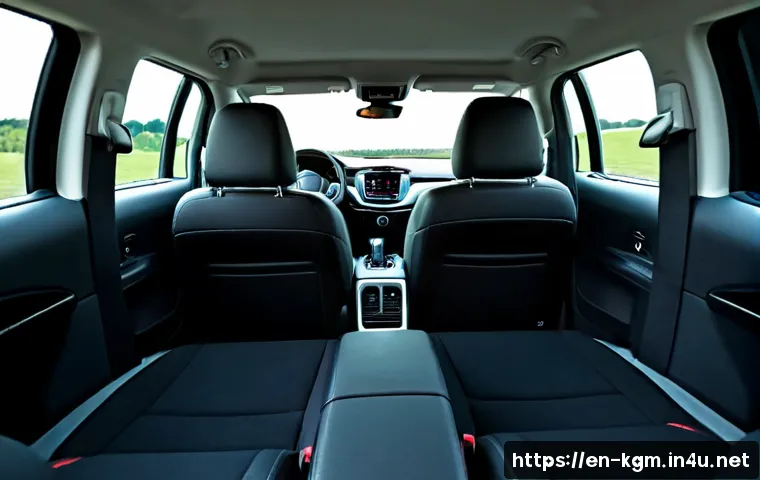
The KGM Torres may suit family buyers who value an SUV-style cabin, but its real usefulness depends on the local trim, seat design, and how your passengers and luggage fit in person.
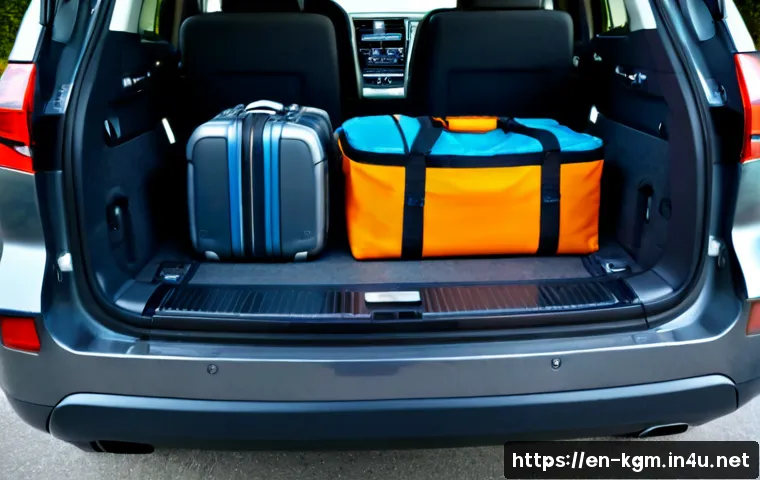
Do not judge it by its exterior size or published boot figure alone; a showroom check is the safest way to confirm rear-seat comfort and cargo practicality.
For couples and smaller families, the key question is whether the seating position, rear-door access, and boot shape match the weekly routine. Families using child seats, pushchairs, or frequent airport luggage should test these items before comparing finance or lease offers.
Higher trims can improve day-to-day comfort, although some added equipment may be more cosmetic than practical. Compare the local specification carefully before requesting a dealer quote.
At a Glance
- Best for: Buyers who want to assess a bold SUV cabin for everyday passenger comfort, family access, and flexible luggage use.
- Possible limitation: Cabin space and equipment can vary by market, trim, seat design, and options such as a sunroof.
- Test in person if: You use child seats, carry tall rear passengers, load a pushchair, or need a particularly wide rear bench.
| Decision area | What to inspect | Why it matters before choosing a trim |
|---|---|---|
| Rear-seat comfort | Legroom, headroom, seat angle, rear-door opening, and centre-seat space | A cabin can look roomy while still being less convenient for child seats or three passengers. |
| Boot access | Opening height, loading lip, floor shape, underfloor area, and rear-seat folding layout | Usable cargo shape is often more important than a published luggage-volume figure. |
| Everyday storage | Phone space, bottle holders, door bins, charging-cable routing, and bag storage | Small storage details affect daily convenience more than showroom appearance. |
| Trim value | Comfort equipment, tailgate operation, upholstery, rear-seat features, and local specification | Extra cost is easier to justify when it improves a routine you actually have. |
| Ownership planning | Warranty terms, dealer support, accessories, insurance, servicing, finance, and lease conditions | The lowest purchase price may not be the clearest comparison over the ownership period. |
Quick Verdict: How Practical Is the Torres Cabin for Daily Life?
The Short Answer for Couples, Families, and Frequent Luggage Carriers
The KGM Torres should be judged as a practical family-SUV candidate rather than simply a large-looking SUV. For a couple, the most useful checks are the driving position, front storage, and whether the boot handles normal shopping, travel bags, or hobbies without awkward stacking. For a family, rear access and usable cargo space deserve more attention than the first showroom impression.
If you regularly carry passengers and luggage together, check the vehicle with the rear seats in their normal position. A boot may appear generous when empty but become less useful if its shape, floor height, or opening makes bulky items difficult to load.
What to Check Before Assuming It Will Fit Your Needs
Local-market specification is important. Seat construction, trim level, roof options, and optional equipment can affect the available space or the comfort experience. Do not assume that a vehicle shown in an online review has the same rear-seat features, power tailgate, panoramic roof, or upholstery as the example offered by your local dealer.
Ask to see the exact vehicle or exact trim you are considering. This is especially useful before comparing dealer quotes, finance plans, lease offers, and accessory packages.
Front and Rear Passenger Space: Comfort Beyond the Showroom Impression
Driving Position, Visibility, and Front-Seat Storage
Start in the driver’s seat and set it as you would for a normal journey. Check pedal reach, steering-wheel adjustment, sight lines, and whether the centre area gives you a practical place for a phone, wallet, sunglasses, and charging cables. A comfortable driving position matters more than a dramatic dashboard design if the vehicle will be used for commuting or long family trips.
Also check front passenger comfort. The passenger seat may be used differently from the driver’s seat, particularly on holiday journeys. Confirm that a handbag, small backpack, or charging cable can be stored without occupying foot space.
Rear Legroom, Headroom, Door Access, and Three-Passenger Practicality
Rear-seat room should be tested with the front seats set for the people who will normally travel there. Ask a taller passenger to sit behind the driver or front passenger, then check knee clearance, foot space, and headroom. If the model includes a roof option, verify how it affects the cabin impression for rear occupants.
For families, rear-door opening angle can be as important as legroom. A wide opening can make it easier to help a child into a seat or reach a seatbelt buckle. If three people may travel in the second row, sit three actual adults or older children across the bench rather than estimating from photos.
Child Seats, Booster Seats, and Tall-Passenger Checks
Bring the child seat, booster, or at least the measurements for the item you use. Test how easily it fits through the door opening, whether the seat base sits securely, and whether an adult can reach the buckle beside it. Check the front-seat position after the child seat is installed, since rear-facing seats can change usable front-to-rear space.
For tall passengers, test both headroom and thigh support. A short demonstration drive can reveal whether the rear seat feels suitable beyond a quick five-minute sit-down.
Boot and Storage Usability: Assess Shape, Access, and Real Cargo Needs
Why Litres Alone Do Not Tell the Full Luggage Story
Published boot-capacity figures may use different measurement standards, so they should not be treated as a complete comparison. The more useful question is: what can you load easily in your own routine? A square opening, sensible floor shape, and manageable loading height can be more valuable than a larger-looking number.
Check whether the cargo floor is level, whether there is a step at the loading edge, and how the rear seats fold. The exact underfloor storage arrangement and seat-folding configuration should be verified for the local trim.
Pushchairs, Suitcases, Pets, and Bulky-Item Loading Checklist
Bring a folded pushchair if possible. If not, bring its measurements and compare them with the boot opening and floor. For frequent travel, use suitcases or similarly sized bags during the showroom visit. Pet owners should consider the flatness of the floor, access height, and whether a suitable boot liner or divider is available as an accessory.
Try loading one item first, then imagine the rest of the trip: coats, shopping, charging leads, a child’s bag, or a travel crate. This approach gives a more realistic answer than checking capacity with an empty boot.
Small-Item Storage for Phones, Bottles, Bags, and Charging Cables
Open the door bins, centre storage, glovebox, and cupholders. Look for storage that is secure enough for items used every day, not just visually neat when the cabin is empty. If you rely on phone navigation, inspect where the device sits and whether the charging cable can be routed without interfering with controls or passenger space.
Trim Value and Ownership Costs: When Extra Equipment Is Worth Paying For

Comfort Features That Can Matter on Long Trips
A higher trim can be worthwhile when it adds equipment that improves frequent journeys. Consider features that make loading, passenger comfort, or cleaning easier for your household. For example, an easier tailgate arrangement may matter more to someone who often carries shopping or luggage than a purely visual interior upgrade.
Make a short list of features you would use weekly. If an upgrade does not improve access, comfort, storage, or everyday convenience, it may be less important than keeping the budget available for insurance, servicing, or useful accessories.
Features to Verify Rather Than Assume From Photos
Do not assume a specific Torres trim includes a power tailgate, heated rear seats, panoramic roof, premium upholstery, or a particular charging setup. These details can differ by market and model year. Ask the dealer for the current local specification sheet and inspect the exact vehicle where possible.
Comparing Purchase Price, Finance, Insurance, Servicing, and Accessories
Compare the full ownership picture, not only the advertised vehicle price. Request clear details for purchase, finance, or lease options, then review what is included and what remains separate. Check warranty coverage, local dealer support, servicing arrangements, insurance estimates, and the cost of accessories such as mats, boot liners, roof carriers, or child-seat protection.
Resale value cannot be guaranteed, but it is reasonable to consider whether the trim and accessories you choose are likely to remain useful to the next owner. Practical, easy-to-maintain equipment can be easier to appreciate than highly personal cosmetic additions.
Common Showroom Mistakes When Judging SUV Interior Space
Testing Only the Driver’s Seat
A comfortable driver’s seat does not prove that the vehicle works for the family. Set the front seats properly, then inspect the rear cabin with real passengers. This is the quickest way to avoid discovering a compromise after delivery.
Ignoring Rear-Seat Angles and Real Cargo-Floor Height
Stand beside the open rear door and boot rather than viewing them only from inside the showroom. Check how far you need to bend to secure a child seat, lift a suitcase, or guide a pet into the cargo area. These small movements determine whether an SUV feels convenient every day.
Choosing a Trim Before Checking Local Specification Details
Online images can show equipment that is optional, unavailable, or different in your area. Confirm the trim name, standard features, option packs, and delivery terms before making a finance or lease decision. A written quote is more useful when it clearly identifies the vehicle specification.
Selection Criteria and Comparison Summary
Choose the Torres when its cabin works with your normal passenger setup, your pushchair or luggage fits the boot shape, and the local trim includes the equipment you will genuinely use. Compare alternatives if maximum rear-seat width, a specific cargo-floor layout, or the largest possible load area is your top priority. Before requesting quotes, check rear access with child seats, sit tall passengers behind correctly adjusted front seats, inspect the boot with real items, verify the local feature list, and compare warranty, servicing, insurance, finance, and lease terms. Compare local offers before choosing a trim; check the official specification and detailed conditions on the relevant dealer or finance page.
Closing Thoughts
The KGM Torres may be a sensible option if its cabin layout matches how you travel rather than how it looks in a brochure. The best decision comes from testing passenger space and boot usability with the people and items you carry most often. Treat trim upgrades as practical purchases only when they improve your daily routine. Local specification and ownership terms should always be confirmed before ordering.
Useful Things to Know
1. Take a tape measure if you use a large pushchair, pet crate, or recurring work equipment.
2. Set the driver’s seat first before assessing rear legroom.
3. Ask for the luggage measurement standard before comparing published boot figures.
4. Check accessory availability if you need a boot liner, roof solution, or child-seat protection.
5. Keep a written list of trim features so dealer quotes can be compared fairly.
Important Notes
Exact cabin dimensions, boot capacity, underfloor storage, rear-seat folding arrangements, prices, incentives, insurance costs, and equipment availability are not confirmed here and can vary by local market and trim. A showroom inspection is the most reliable way to assess child-seat fit, rear legroom, tailgate usability, and real cargo-floor practicality. Confirm current warranty, dealer support, finance, and lease conditions directly with the relevant provider.
Frequently Asked Questions
Q1. Is the KGM Torres spacious enough for a family of four?
A1. It may be suitable, but the answer depends on the height of the passengers, the child seats used, and the type of luggage you carry. Test the rear seats with the front seats adjusted for normal drivers, then load your pushchair or travel bags into the boot before deciding.
Q2. Should I pay more for a higher Torres trim if interior comfort is my main priority?
A2. Pay more only if the higher trim adds comfort or convenience features you will use regularly. Verify the exact local equipment list, because features can differ by market and specification. Compare the added cost against finance, insurance, servicing, and useful accessories.
Q3. What should I bring to a test drive to check whether the boot is large enough?
A3. Bring the items that represent your real routine: a folded pushchair, suitcase, pet crate, sports bag, or shopping containers. Check the opening, loading height, floor shape, and how the rear seats fold before relying on published volume figures.